
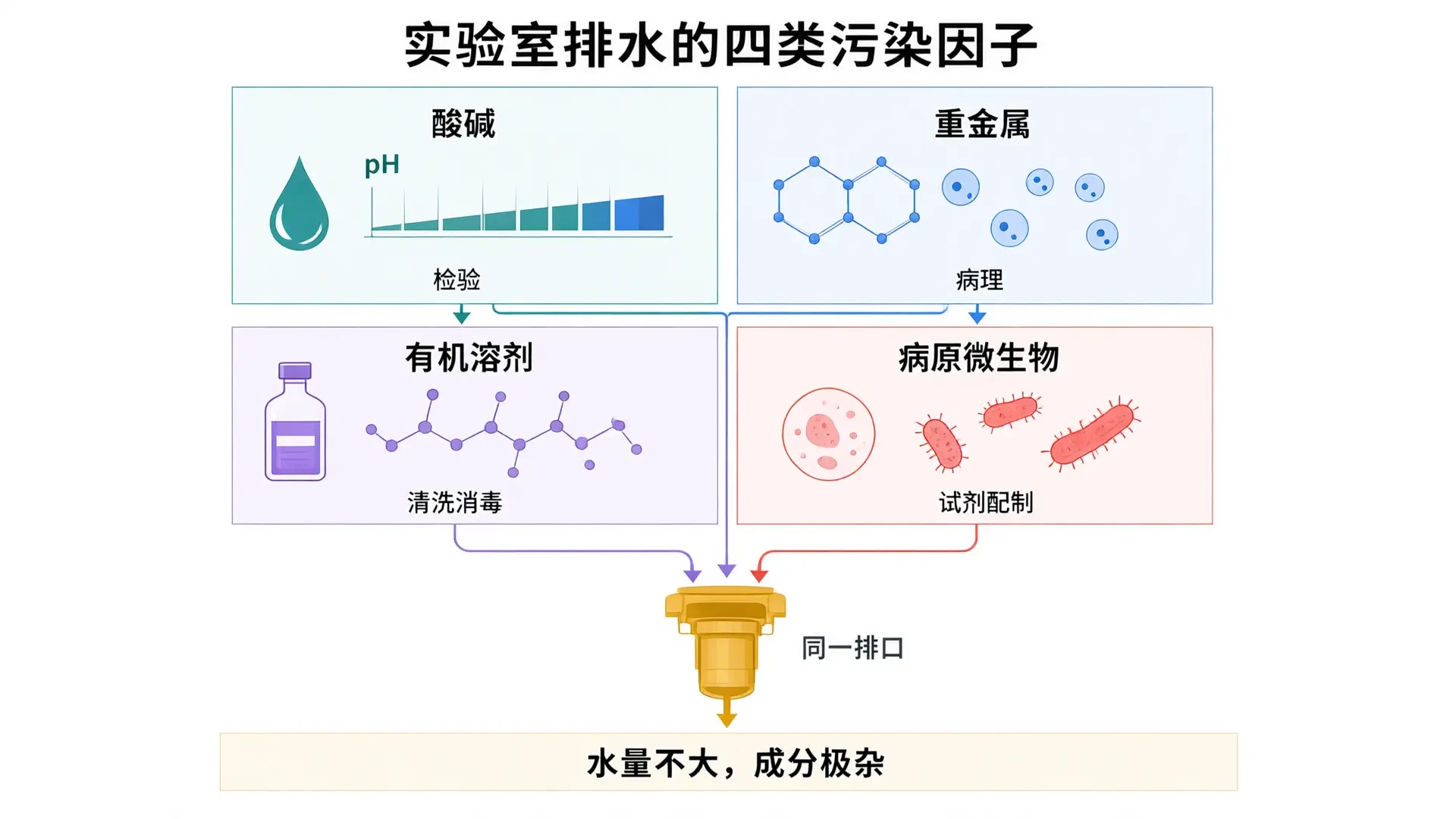
The water quality in hospital laboratory wastewater differs significantly from common expectations. While the volume is relatively low, its composition is highly complex: water discharged from testing, pathology, cleaning and disinfection, and reagent preparation often contains a mixture of varying pH levels, heavy metals, organic solvents, residual reagents, and pathogenic microorganisms. Selecting treatment processes based solely on municipal sewage models frequently leads to compliance failures during acceptance inspections. At Shandong Zhongnan Environmental Protection Equipment Co., Ltd., most rework in laboratory wastewater projects stems from inaccurate assessments of water quality during the selection phase. The following five points clarify common misconceptions.
Can laboratory wastewater be treated using the same process as domestic sewage?
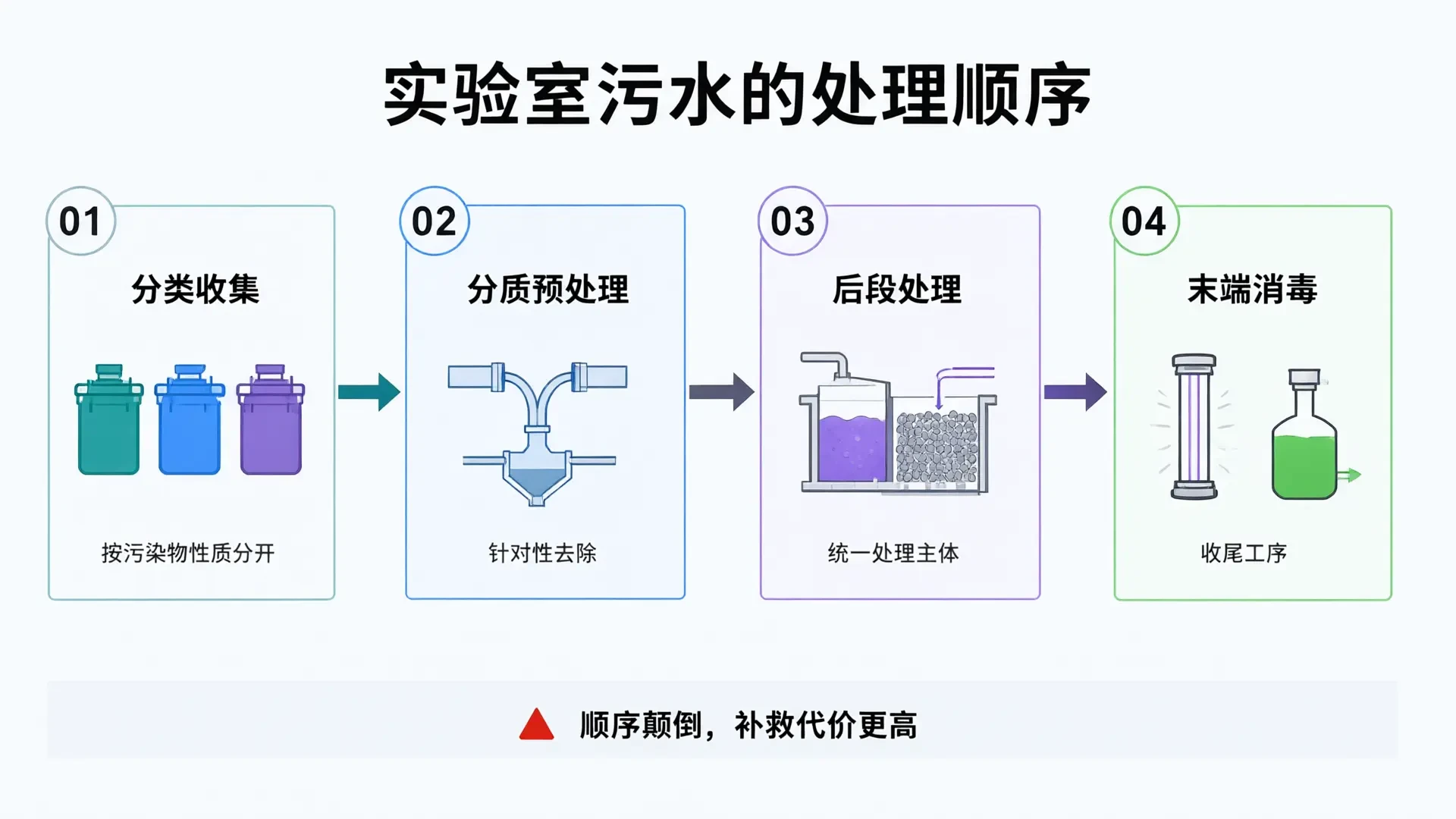
No. The goal of domestic sewage treatment is to remove organic matter and ammonia nitrogen; the process is designed around pollutants with good biodegradability and lacks specific measures for heavy metals or recalcitrant organic solvents. Connecting integrated domestic wastewater treatment equipment directly to a laboratory discharge outlet may result in effluent that appears compliant for Chemical Oxygen Demand (COD), but heavy metals and characteristic pollutants will still exceed limits. Laboratory wastewater must first be collected by category, then pre-treated according to pollutant properties, before entering the centralized downstream treatment stage. Reversing this sequence makes subsequent remediation costs far higher than those of proper upfront design.
If a final disinfection step is added, will the standard be met?
Disinfection addresses only microbial indicators. It does not degrade organic matter, precipitate heavy metals, or neutralize pH. A common issue is that high-concentration chlorine-based disinfectants entering the biological treatment unit suppress sludge activity, reducing overall system capacity. Disinfection should be placed at the end of the process as a final step; all necessary pretreatment steps must be completed beforehand. To evaluate whether a solution is sound, check if the treatment train includes specific pollutant removal before disinfection—this is more meaningful than reviewing disinfection equipment specifications alone.
Does a longer process chain with more equipment increase the likelihood of compliance?
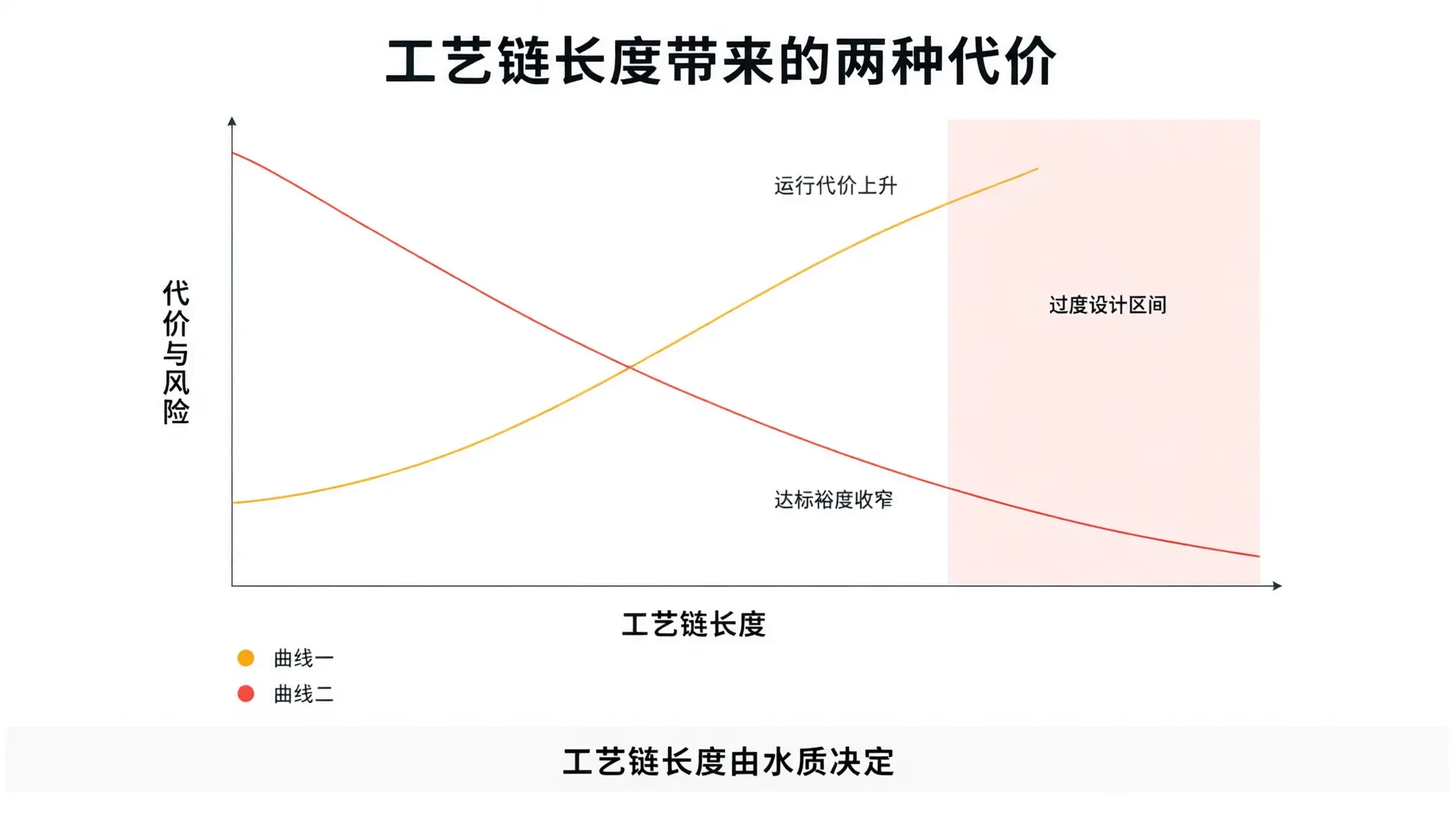
The length of the process chain should be determined by water quality, not psychological safety. Stacking too many units simultaneously increases chemical consumption, energy use, sludge production, and O&M labor, while actual laboratory effluent volumes often cannot justify such high operating costs. Equipment running at low load for extended periods struggles to maintain stable parameters, making compliance more fragile. The right approach is to first conduct water quality testing to identify key pollutants and concentration ranges, then select the process combination based on discharge patterns, site conditions, and operational capabilities. In a laboratory setting, customization isn't just a formality; no single universal configuration can cover all scenarios.
Q: The lab has very low water flow; can we just scale down the equipment proportionally?
Low flow rate does not mean low pollutant load. Laboratory wastewater is typically discharged intermittently; a single discharge event can have concentrations far exceeding the daily average. Scaled-down continuous biological treatment systems struggle to maintain stable sludge concentrations and become unstable under shock loads. Selection should account for the equalization basin's capacity to balance flow and concentration, the process's adaptability to intermittent operation, and recovery time after startup. The key criterion is not equipment footprint, but whether effluent quality remains within limits at both minimum and maximum loading conditions.
Does the project end after acceptance?
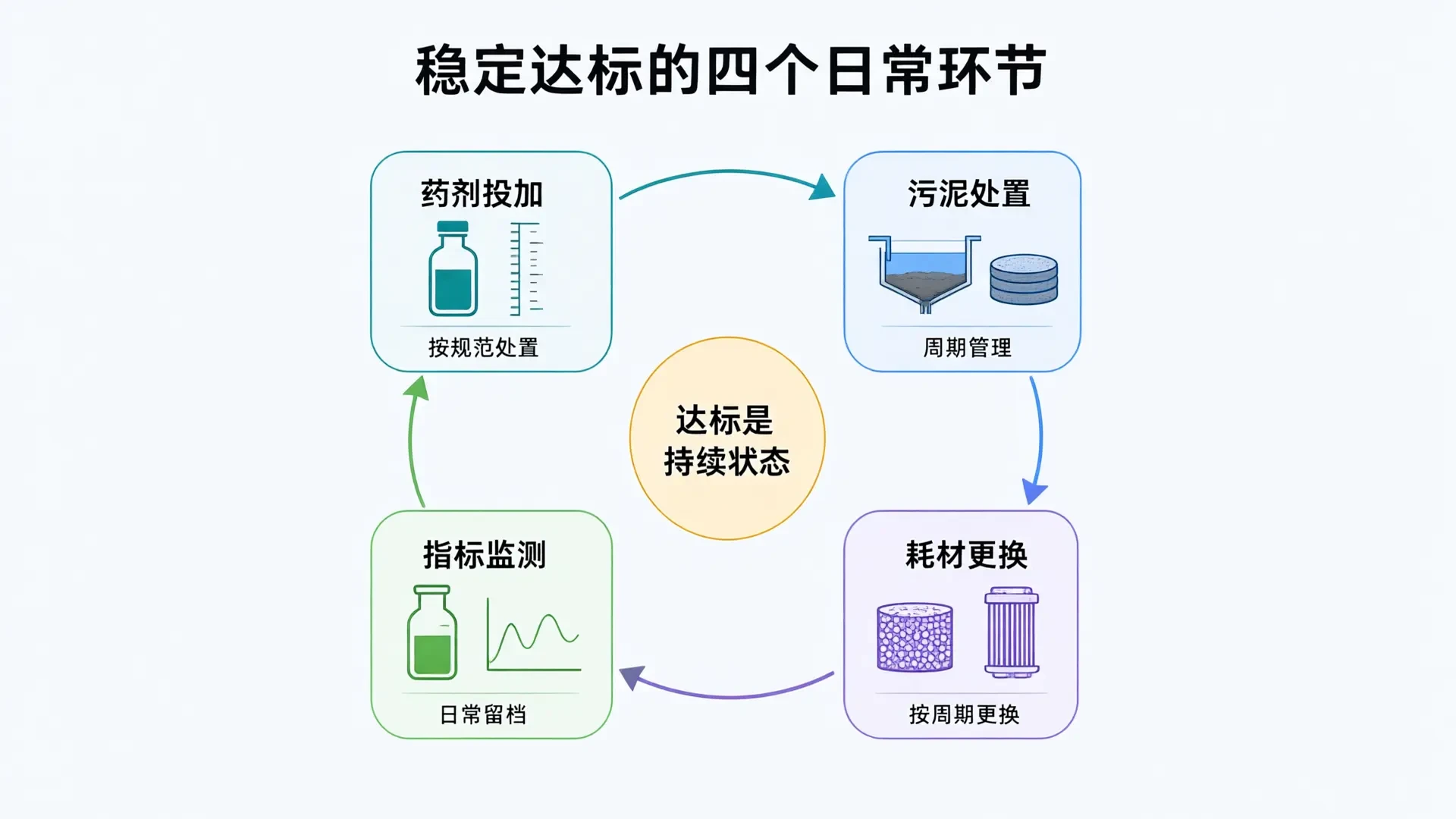
Achieving compliance is a continuous state, not a one-time outcome. Chemical dosing fluctuates with water quality changes, sludge must be disposed of according to regulations, and filters and membrane modules require scheduled replacement. pH and residual chlorine need daily monitoring; any lapse in these areas will cause effluent standards to drop. Since medical facilities typically lack dedicated water treatment teams, the availability of reliable O&M support directly determines whether the system can maintain stable compliance over three years. Shandong Zhongnan Environmental Protection Equipment Co., Ltd. provides 7×24 round-the-clock response and full-lifecycle technical support for this very reason: the real challenge in laboratory wastewater treatment isn't on the day of completion—it's every day afterward.
Conclusion
The essence of selecting a process is to fully understand the water quality and ensure each treatment unit has a clear target for removal. An unnecessary step is waste; skipping essential pretreatment creates risk. Shandong Zhongnan Environmental Protection Equipment Co., Ltd. brings over 10 years of deep industry expertise, offering end-to-end capabilities from equipment R&D and manufacturing to process integration. For complex scenarios like laboratory wastewater with variable flow rates, we prioritize testing and diagnosis before recommending configurations. Consistent compliance relies on precise matching, not just adding components.
About the Data and Author
Compiled by the Technical Department of Shandong Zhongnan Environmental Protection Equipment Co., Ltd. This content is derived from parameter records and common issues identified during equipment design, full-unit manufacturing, and on-site commissioning. It should not be used to replace field testing based on a single project conclusion.
Refer to standards including GB 18918 "Discharge Standard of Pollutants for Municipal Wastewater Treatment Plants," GB 8978 "Comprehensive Discharge Standard of Water Pollutants," GB/T 31962 "Water Quality Standard for Sewage Discharged into Urban Sewers," and HJ 2010 "Technical Specification for Membrane Bioreactor Wastewater Treatment Engineering." For specific projects, applicable standards shall be determined based on environmental impact assessment approval, discharge permits, and contractual agreements.
If you have questions about the parameters or selection methods in this article, pleaseContact UsAccompany with water quality test reports and operating conditions; we will provide explanations based on the specific project requirements.