
If you're planning a wastewater treatment project for a food processing plant, you may wonder: The water from the workshop doesn't look very dirty—why is it taking so long to finalize the solution?
The issue often lies not in the equipment, but in the parameters. Food processing wastewater quality is tightly linked to product type, production processes, and cleaning practices. A meat facility and a beverage plant may both be food factories, yet their wastewater differs completely. Before designing a solution, we carefully analyze water quality—not just as a formality, but because these figures directly determine the selected treatment process, tank sizing, and whether pre-treatment like air flotation is needed.
Water Volume: Watch the fluctuations, not just the average.
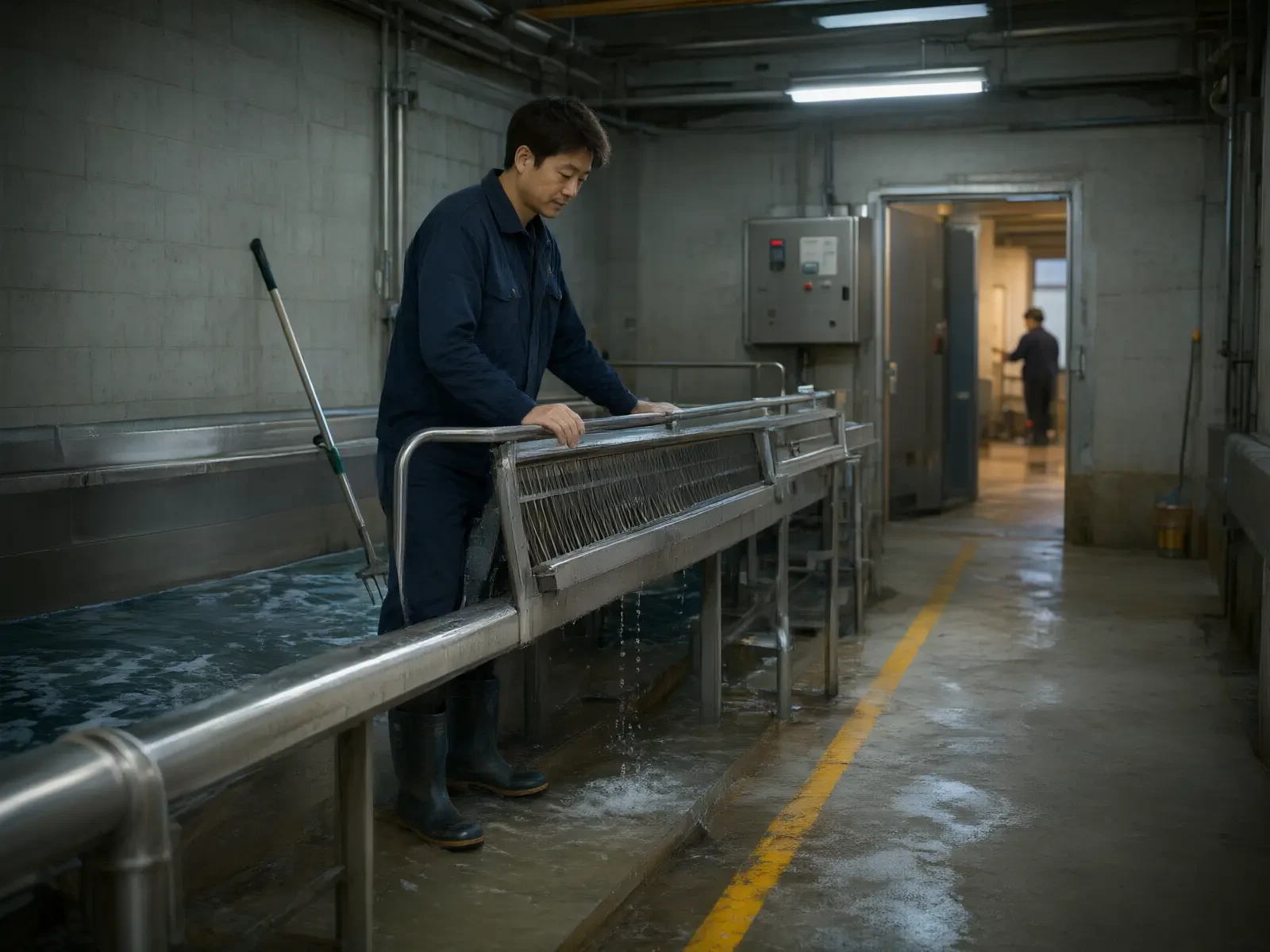
Many companies report average daily flow, which only helps estimate scale. The real design driver is variability: number of shifts per day, when discharge peaks occur within each shift, whether cleaning phases double the volume, and how much demand swings between peak and off-peak seasons. If possible, record a continuous multi-day flow curve and mark the peak periods. Size tanks with headroom above the peak to prevent system overload during operation.
COD vs. BOD5: Assessing Biodegradability
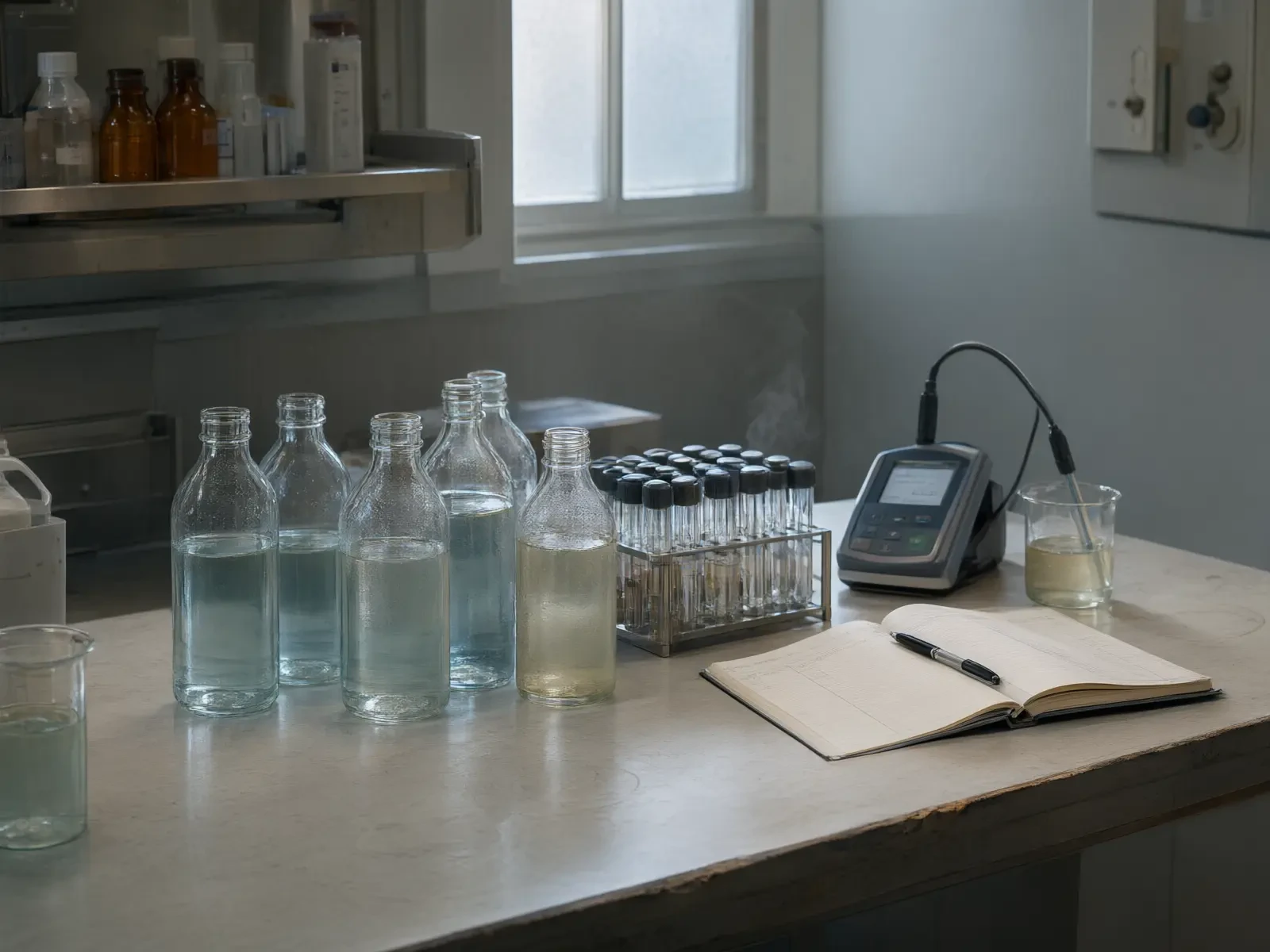
COD reflects the total organic load, while BOD5 measures the fraction biodegradable by microorganisms; their ratio indicates treatability. Food wastewater is generally biodegradable, but high oil content, excessive cleaning agents, or raw material changes can alter this ratio. Provide a concentration range rather than a single value, and specify the operating conditions under which peak values occur.
Suspended solids and vegetable/animal oils: address in pretreatment.
Suspended solids and vegetable/animal oils must also be handled separately. In workshops producing meat products, fried foods, and condiment sauces, wastewater contains significant oil content. Oil coats sludge and clogs pipes; if not removed before the biological treatment stage, it causes downstream operational issues. High suspended solids also require physical-chemical pretreatment first; otherwise, sludge loading capacity cannot be achieved.
Nitrogen and Phosphorus: Confirm Along with Discharge Destination
Nitrogen and phosphorus are often overlooked. Facilities with high protein content in raw materials or heavy use of cleaning agents may exhibit elevated levels of ammonia nitrogen, total nitrogen, and total phosphorus. Whether discharge standards apply and whether effluent enters the municipal sewer network directly determine if denitrification and phosphorus removal units are required. This must be confirmed against local requirements before project initiation.
pH, Water Temperature, and Salinity: A Trio Often Overlooked
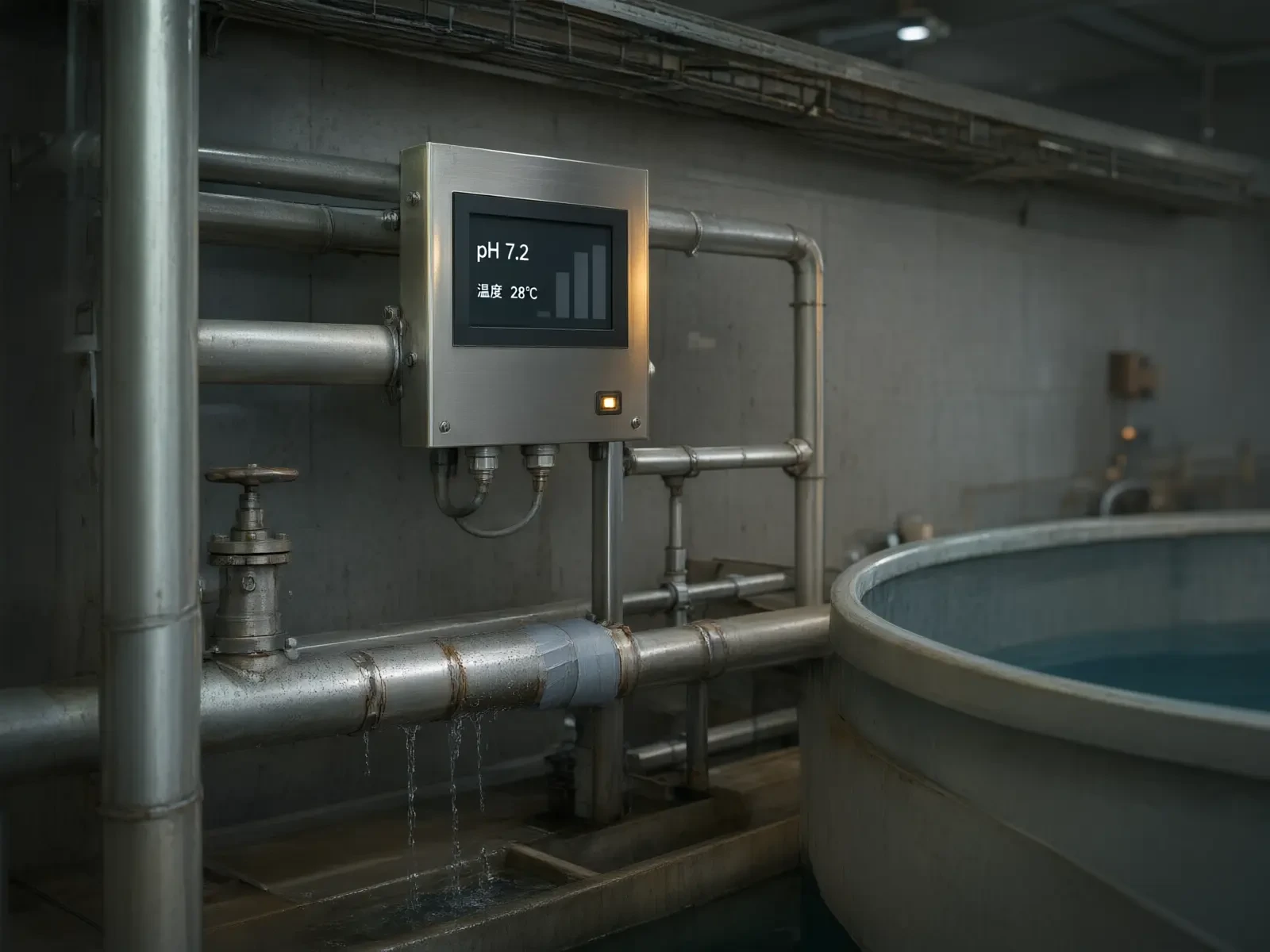
pH, water temperature, and salinity are often overlooked parameters. During cleaning cycles, the use of acids and bases can cause drastic pH fluctuations in discharge water, which can shock the biological treatment system. Low water temperatures reduce microbial activity, leading to significant performance differences between winter and summer. For enterprises involved in pickling, condiments, or seasonings, conductivity and chloride ion levels must also be monitored; high salt concentrations can suppress microbial populations.
Characteristic Pollutants: Define the test list based on raw materials and product lines.
A third category involves characteristic pollutants, which are determined by the raw materials. Surfactants from cleaning agents and residual chlorine from disinfection can inhibit biological processes; color products require turbidity testing; equipment lubricants and raw materials themselves may introduce trace heavy metals. These parameters do not need to be tested for every facility, but if they align with your product line, they should be included in your monitoring list.
Effluent Discharge: The Decision Point for Process Route
Finally, consider the discharge destination. Whether discharging into municipal sewer networks or using self-built outfalls determines whether effluent standards are based on sewer connection requirements or industry-specific regulations. Since these targets dictate the process route, confirming this after design completion will likely necessitate rework of earlier plans.
Sampling Method: Ensure Data Reliability
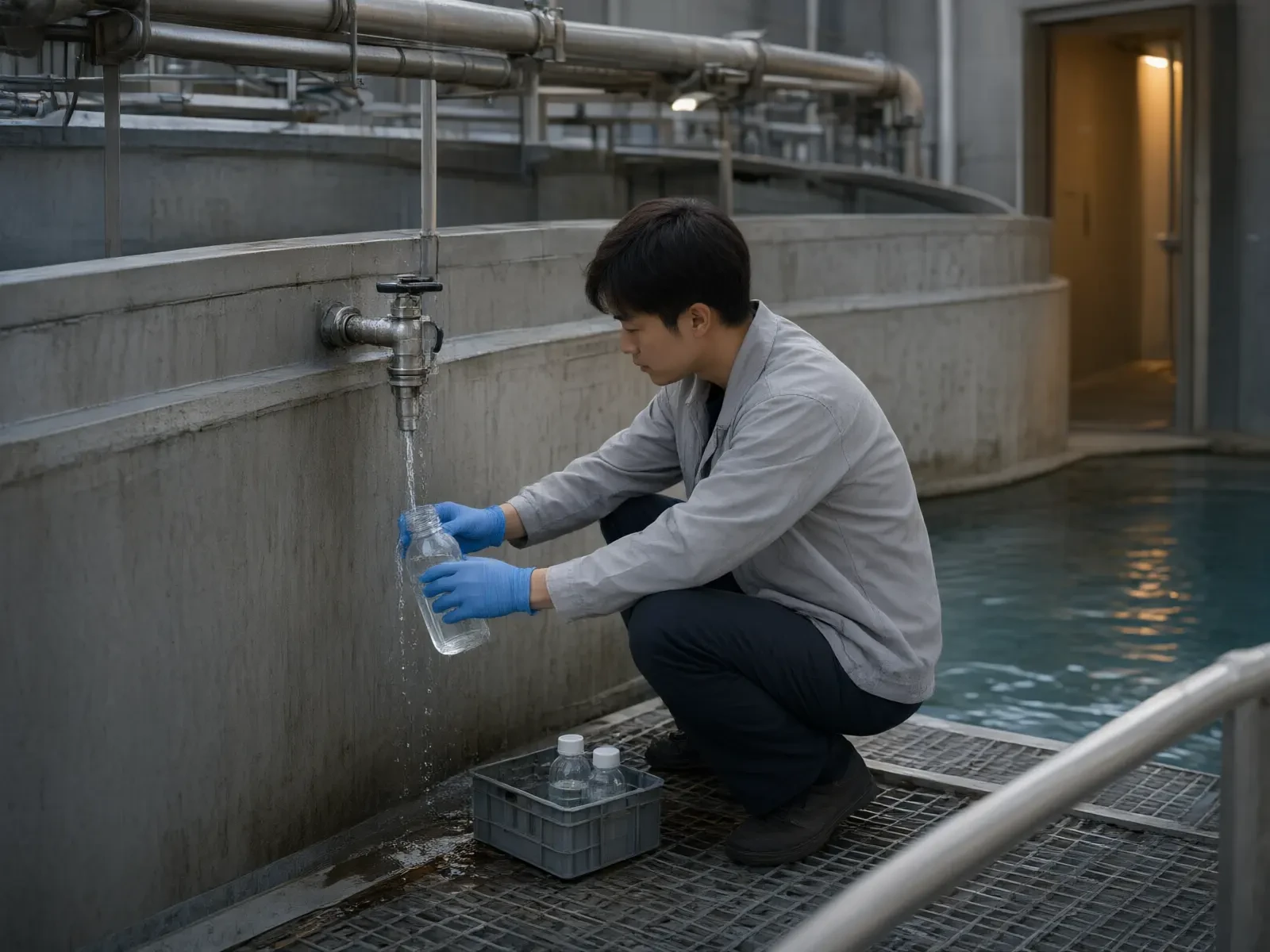
Sampling method matters. Relying on a single grab sample for design is risky. A more robust approach is to collect separate samples by process stage over several days, covering peak production and cleaning cycles, then composite them in proportion to flow rates. Record the corresponding production volume and water usage during sampling. Data is only meaningful if water quality and quantity align.
Conclusion
Understand the parameters first; a solid plan depends on it. Every step skipped upfront often comes back later as debugging time, chemical usage, and operating costs. Shandong Zhongnan Environmental Protection Equipment Co., Ltd. provides complete water treatment solutions. Before project kickoff, we review all parameters with you line by line before discussing process configuration.
About the Data and Author
Compiled by the Technical Department of Shandong Zhongnan Environmental Protection Equipment Co., Ltd. This content is derived from parameter records and common issues identified during equipment design, full-unit manufacturing, and on-site commissioning. It should not be used to replace field testing based on a single project conclusion.
Refer to standards including GB 18918 "Discharge Standard of Pollutants for Municipal Wastewater Treatment Plants," GB 8978 "Comprehensive Discharge Standard of Water Pollutants," GB/T 31962 "Water Quality Standard for Sewage Discharged into Urban Sewers," and HJ 2010 "Technical Specification for Membrane Bioreactor Wastewater Treatment Engineering." For specific projects, applicable standards shall be determined based on environmental impact assessment approval, discharge permits, and contractual agreements.
If you have questions about the parameters or selection methods in this article, pleaseContact UsAccompany with water quality test reports and operating conditions; we will provide explanations based on the specific project requirements.