
A campsite discharges tens to hundreds of tons of wastewater daily. While the volume may seem modest, it often lands in remote areas without municipal sewer networks. Dishwater, shower water, and toilet flush water all exit through a single outlet, mixing COD, ammonia nitrogen, oils, and suspended solids. Direct discharge triggers environmental compliance issues; dumping into ditches brings complaints from downstream villages. Shandong Zhongnan Environmental Protection Equipment Co., Ltd. has specialized in this field for years, witnessing many projects struggle with equipment selection—the real bottlenecks lie in the incoming water quality and post-installation operations.
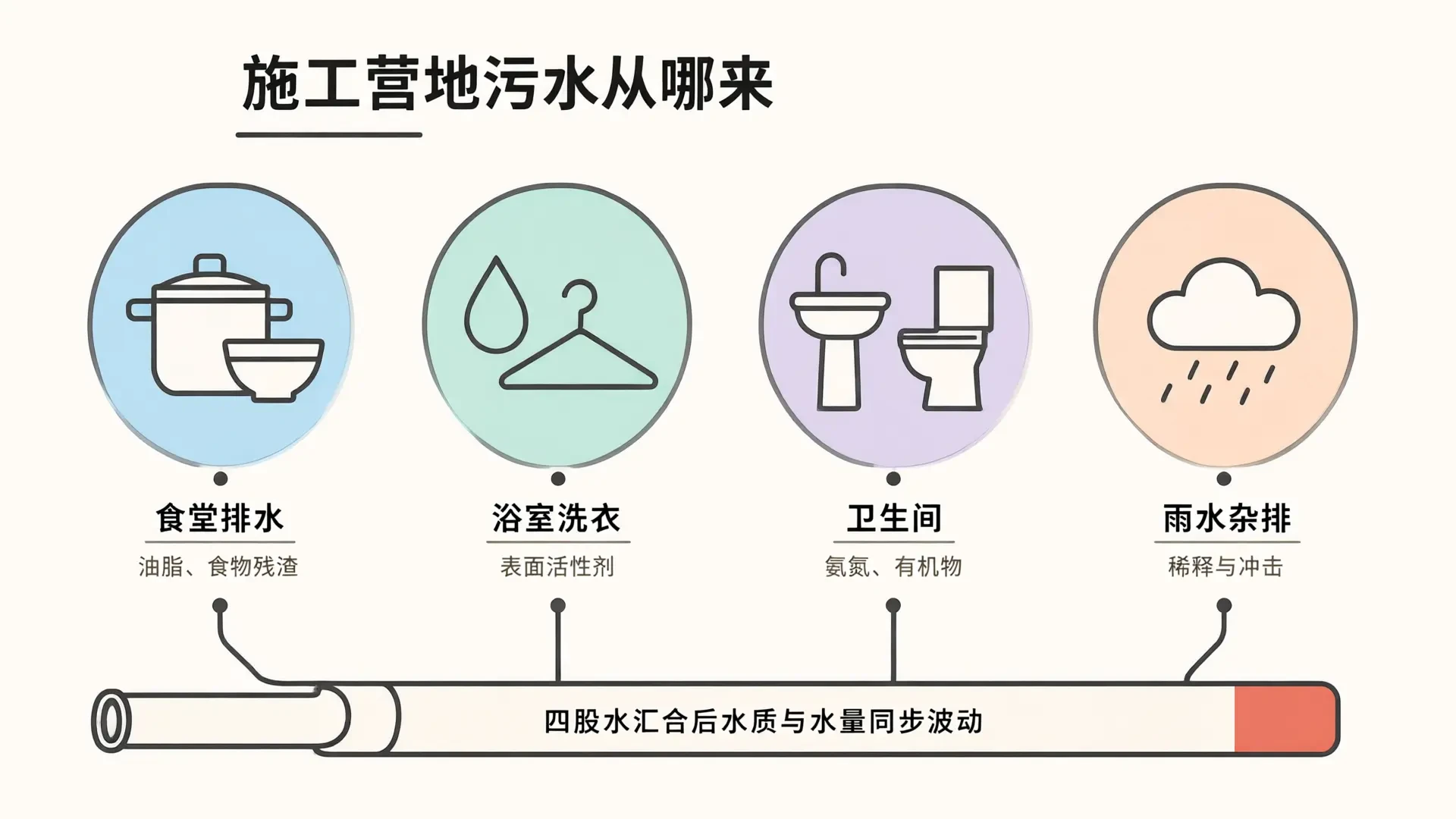
Clarify fluctuations in water quality and quantity.
The trickiest part of cafeteria wastewater is oil. When dishwashers are rinsed, floating oil and vegetable scraps flow together; routing this stream separately through a grease trap is far more efficient than mixing it into the main sewer line. Bathroom and laundry drains contain surfactants; while they produce alarming amounts of foam, their biodegradability remains high. The real challenge lies in toilet wastewater, which carries high levels of ammonia nitrogen and organic matter. When these streams combine, pH often swings acidic or alkaline, requiring a neutralization tank to restore balance.
Managing water volume is harder than managing water quality. During the early construction phase, dozens of workers are on site; before the main structure is topped out, that number can reach hundreds. Add rainy season runoff, and the situation changes entirely. If you size the equalization tank based on average population, it will overflow during peak times. If you size it for peak demand, the retention time becomes too long during low periods, causing sludge to float up. This contradiction must be balanced by adjusting the tank's volume and operating strategy.
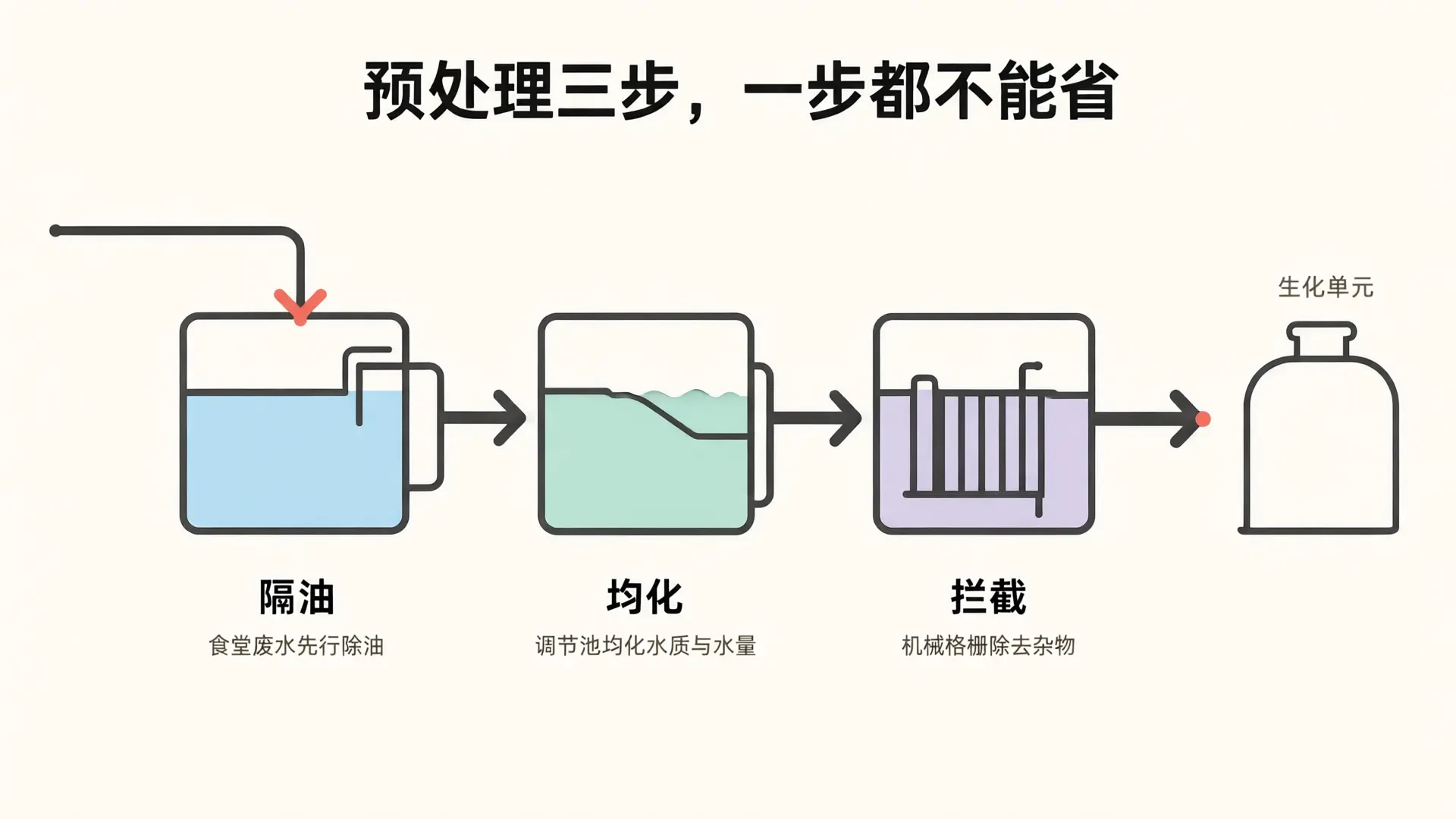
Preprocessing is essential.
Fouling of media by oil is the most common failure mode in camp sewage treatment plants. Oil forms a film on the media surface, preventing microorganisms from accessing organic matter in the water. As a result, dissolved oxygen levels in the aerobic zone may appear normal, yet effluent COD remains high. Therefore, kitchen wastewater must first pass through an oil separator before being combined with domestic sewage.
After convergence, flow into the equalization or septic tank to stabilize water quality and quantity. Install a mechanical screen at the front end to intercept plastic bags, tissues, vegetable scraps, and disposable chopsticks. If these enter the lift pump, they can clog the impeller or, in severe cases, burn out the motor. Although cleaning the oil separator and screens is a light-duty task requiring only daily attention, it is often neglected—rendering all downstream equipment useless.
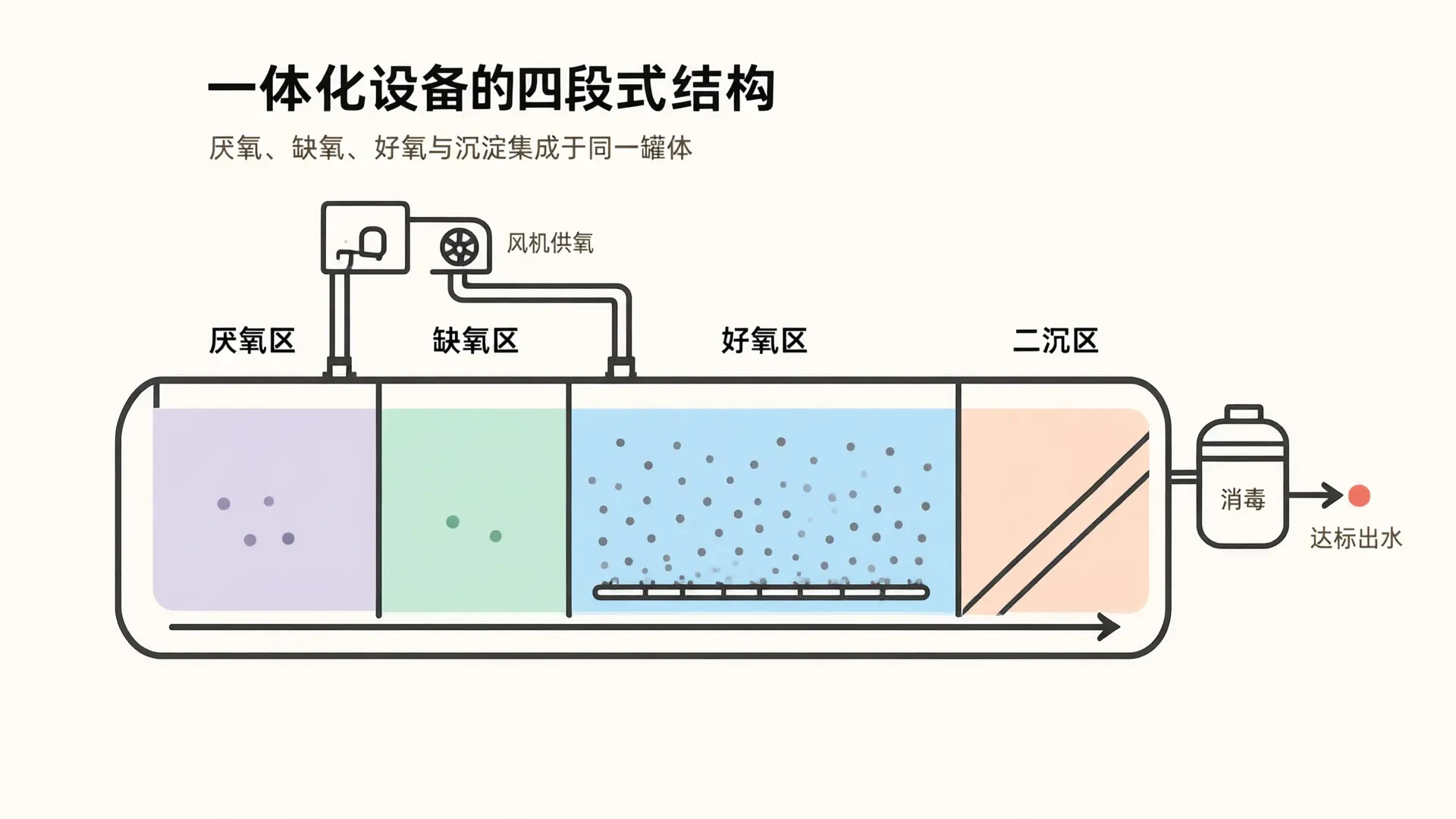
Biochemical treatment is the core of pollution reduction.
Campground domestic wastewater is typically highly biodegradable, making biological treatment the most cost-effective option. Integrated systems combine anaerobic, anoxic, and aerobic zones in a single tank: the anaerobic zone hydrolyzes large molecules; the anoxic zone removes nitrogen via denitrification using recycled nitrate; and the aerobic zone uses air blowers to support biofilm degradation of organics and conversion of ammonia to nitrate. A secondary clarifier separates solids from water, and the clarified effluent is disinfected with sodium hypochlorite or chlorine dioxide to meet fecal coliform discharge standards.
Prefabricated at the factory, lifted and installed on-site, then connected for commissioning—water production within days. Once buried, the ground can be landscaped or paved as before. Given how valuable every square foot of a campsite is, this approach is highly practical.
Temporarily determine device form
When the construction period ends, concrete tanks must be demolished, while steel tanks can be lifted and moved. For campsite projects, this cost logic applies: a one-time investment that travels with the project across multiple sites spreads out equipment costs, lowering the per-project expense. The same logic holds for highway service areas, scenic campsites, and emergency shelters—whether used for years or just months, permanent civil works are not suitable.
Achieving compliance relies on operational management.
Choosing the right process solves only half the problem. The other half depends on accurate chemical dosing, timely sludge removal, fan belt tension, and whether effluent is tested regularly. Many sites exceed limits for simple reasons: inspection ports haven't been opened in six months. Shandong Zhongnan Environmental Protection Equipment Co., Ltd. provides custom solutions tailored to your site's water quality and conditions, backed by full-cycle technical support and 7×24 24/7 response service. Only by managing these invisible daily tasks can you ensure stable, compliant effluent performance.
Conclusion
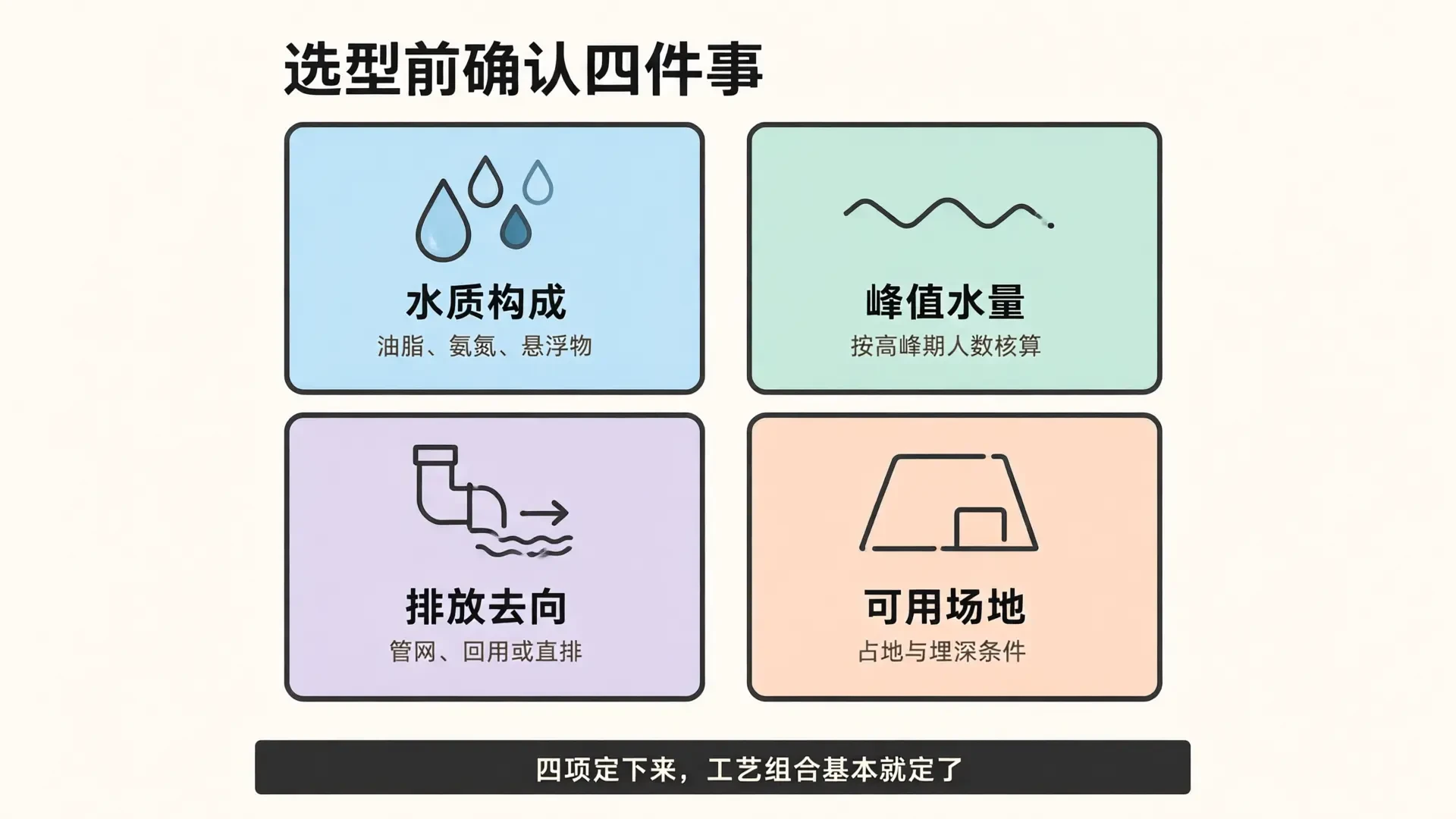
If you're ready to proceed, answer these four questions first: What's in the water? How much peak inflow can we expect? Where will the treated water be discharged? And how much space is available on-site? Once you have these answers, the process flow is essentially defined; equipment sizing comes last.
About the Data and Author
Compiled by the Technical Department of Shandong Zhongnan Environmental Protection Equipment Co., Ltd. This content is derived from parameter records and common issues identified during equipment design, full-unit manufacturing, and on-site commissioning. It should not be used to replace field testing based on a single project conclusion.
Refer to standards including GB 18918 "Discharge Standard of Pollutants for Municipal Wastewater Treatment Plants," GB 8978 "Comprehensive Discharge Standard of Water Pollutants," GB/T 31962 "Water Quality Standard for Sewage Discharged into Urban Sewers," and HJ 2010 "Technical Specification for Membrane Bioreactor Wastewater Treatment Engineering." For specific projects, applicable standards shall be determined based on environmental impact assessment approval, discharge permits, and contractual agreements.
If you have questions about the parameters or selection methods in this article, pleaseContact UsAccompany with water quality test reports and operating conditions; we will provide explanations based on the specific project requirements.